In the competitive realm of luxury mid-size SUV, the Volvo XC70 has risen as a serious contender in the new-energy wave, thanks to its plug-in hybrid technology and innovative features. Meanwhile, the BMW X3 remains grounded in its strong fuel-engine heritage and exceptional driving dynamics. When these two star models go head to head, which one comes out on top? Let’s break it down from core parameters and analyse comprehensively.
Core Parameters: New-energy newcomer vs. fuel classic
(a) Exterior design language
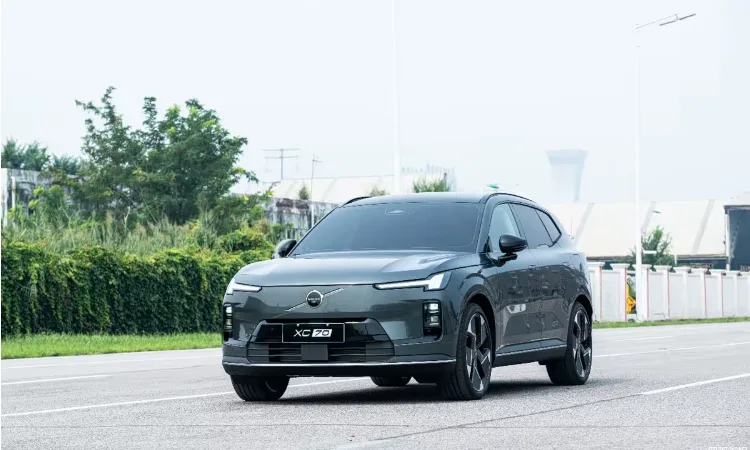
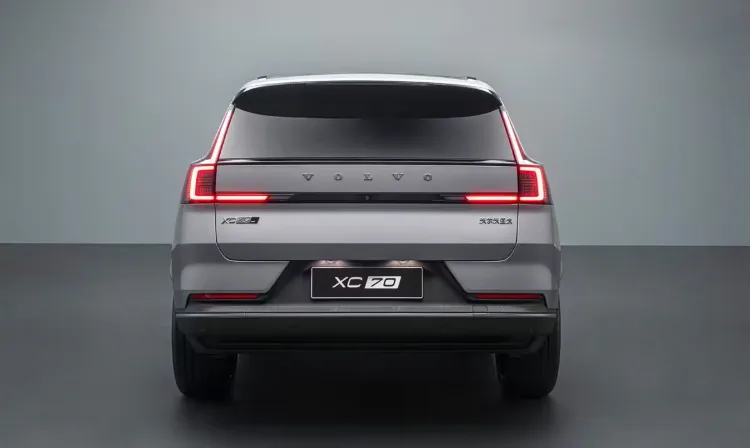
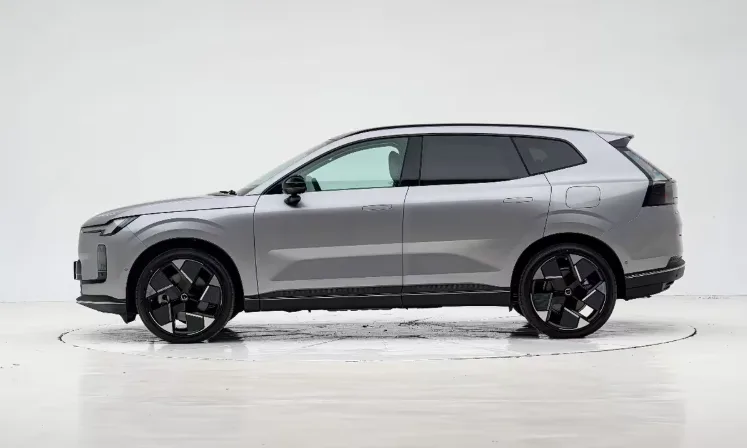
The Volvo XC70 presents a Scandinavian design ethos, with its closed-off front grille and “Thor’s Hammer” matrix headlights creating a Nordic weapon-like aesthetic. Hidden door handles and “Viking-axe” rear lights contribute to a streamlined flow and high tech feel. When the headlights light up at night, the “Thor’s Hammer” motif slices through darkness; the Viking-axe tail lights in motion become a highly recognisable signature.
In contrast, the BMW X3 sticks to its dual kidney grille + dual L-shaped LED headlights family design. That classic silhouette has aged gracefully and continues to reflect German luxury and sportiness. The oversized kidney grille with complex vertical and horizontal fill pattern plus the twin L-LEDs convey grandeur and performance. The arrow-feather shaped LED tail lights add a hint of dynamic flair, but compared to the XC70’s newer motif, the X3’s exterior may feel less daring. For those who prize traditional luxury styling, the X3 retains strong appeal; for consumers who seek personality and tech-style cues, the XC70 may stand out more. In short: exterior preference comes down to taste — bold innovation (XC70) vs established luxury tradition (X3).


(b) Powertrain and energy usage
The Volvo XC70 claims a plug-in hybrid system — reportedly “black-tech” in your words — with a 1.5 T engine plus three motors and 3DHT gearbox, system output 340 kW, 0-100 km/h in 5.3 seconds, 212 km pure-electric CLTC range, 0.98 L/100 km WLTC fuel consumption, and over 1,200 km total range.
On the other hand, the BMW X3 offers a proven 2.0 T petrol (and other variants) engine, paired with a mature 8-speed AT and xDrive AWD. You cited a 0-100 of 6.6 seconds for a high-power version and WLTC 8.3 L/100 km. Here we have: driving experience rooted in fuel engine maturity, linear power delivery, strong brand reliability.
(c) Body size & space layout
Volvo XC70: 4,815×1,890×1,650 mm, wheelbase 2,895 mm. Spacious cabin, flexible cargo (408-1,456L).
BMW X3: 4,865×1,920×1,664 mm, wheelbase 2,975 mm. Slightly bigger overall, roomy leg space, cargo ~480 L conventional.
Thus: both vehicles deliver strong luxury mid-size SUV space, with BMW perhaps inching slightly ahead in sheer dimension; Volvo compensates with flexible cargo and family-friendly layout.
(d) Range & energy cost
Volvo XC70’s strong pure-electric commuter capability (212 km, fast-charge 0.38h to 80%, 6kW V2L output) for daily use and long-haul flexibility. Meanwhile BMW X3 as a fuel vehicle offers ~800 km tank range and quick refuelling convenience, but higher ongoing fuel cost (WLTC ~8.3 L/100 km you stated).
2025 BMW X3 combined MPG ~29 US (≈ 8.1 L/100km) for one variant.
Therefore: If your usage is heavy city commuting with charging access, Volvo XC70 gives efficiency; for frequent long-distance travel with fuel-station infrastructure, BMW X3 offers ease.
Performance & Handling: Electric smoothness vs mechanical drama
(a) Driving feel
With the Volvo XC70’s electric mode, you get silent startup, instant torque, smooth transitions in hybrid mode, and full power when demanded — described as “one-foot on the throttle, push-back induced”. Your text emphasises the seamless hybrid system and “zero lag” plus the comfort of electric driving.
On the BMW X3 side, the fuel engine delivers mechanical sound, direct throttle, sport mode responsiveness, and the joy of driving “like a beast awakened”. That raw mechanical feel (engine note, gear shifts, feedback) appeals to driving enthusiasts. The trade-off: in city/low-speed traffic you might feel some vibration or gear-shift transitions more than a refined hybrid.
(b) Chassis & suspension
Volvo XC70 uses front McPherson + rear multi-link with comfort tuning. The ride is described as a “massage chair” smoothing bumps, aided by electric AWD for stability. BMW X3 uses front double-pivot McPherson + rear multi-link with sport-biased tuning, heavier feel, sharper steering, less filtered road feedback.
Volvo emphasises comfort and composure; BMW emphasises dynamic handling, sharper steering and driver-engagement.
Intelligence & Safety: Tech innovation vs tried-and-true luxury
(a) Smart cabin experience
Volvo XC70’s cabin (as per your depiction) features 15.4″ centre touchscreen, 12.3″ digital cluster, AR-HUD 92″ (I assume 9.2″?) and simplified Scandinavian UI with customisable widgets, four-zone voice recognition and intuitive logic.
BMW X3’s interior uses 14.9″ curved display + 12.3″ instrument cluster, BMW iDrive system with touch, gesture and voice controls — strong tech but slightly deeper menu layers. According to BMW: “14.9″ BMW Curved Display… voice activated BMW Intelligent Personal Assistant”.
Both are highly capable, but if you prioritise ultra-easy intuitive tech and minimalism, the Volvo may win; if you value brand-familiar controls, physical buttons and pro-driver ergonomics, the BMW holds appeal.
(b) Driver assists & safety
Volvo XC70 includes 24 perception sensors, advanced NPA full-speed range automated lane change (0-150 km/h), full-scene automatic parking, etc. BMW X3 offers full-speed adaptive cruise and lane-centering, but lacks the full auto-parking and high-level autonomy as standard.
Volvo appears to push further into advanced driver-assist territory; BMW keeps robust core assist features but fewer “hands-free” moves as standard (depending market/trim).

Summary: Choose based on your path & priorities
The Volvo XC70 positions itself as a luxury mid-size SUV with plug-in hybrid intelligence, strong electric-first commuting ability, Scandinavian minimalistic luxury and advanced safety/assist technology. If you care about electric capability, fuel-cost savings, family comfort, and a tech-forward feel, the Volvo XC70 is arguably the smarter pick.
The BMW X3 remains a benchmark for fuel-engine luxury mid-size SUV with refined driving dynamics, trusted brand cachet, sporty handling, and a familiar luxury experience. If your priorities are driving pleasure, traditional luxury feel, fuel-station convenience, and brand legacy, the BMW X3 makes strong sense.
In other words: This is not a simple “which is better” question, but rather “which meets your needs better”. If you are early adopter of electrified luxury, want low running cost and strong tech, Volvo XC70 leads. If you want classic driving dynamics, predictable luxury and deep brand heritage, BMW X3 stands tall.