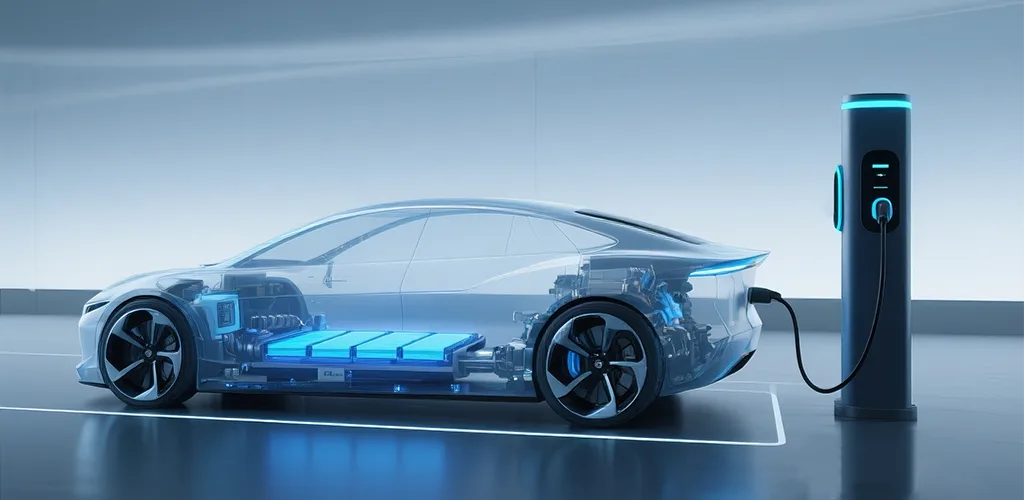
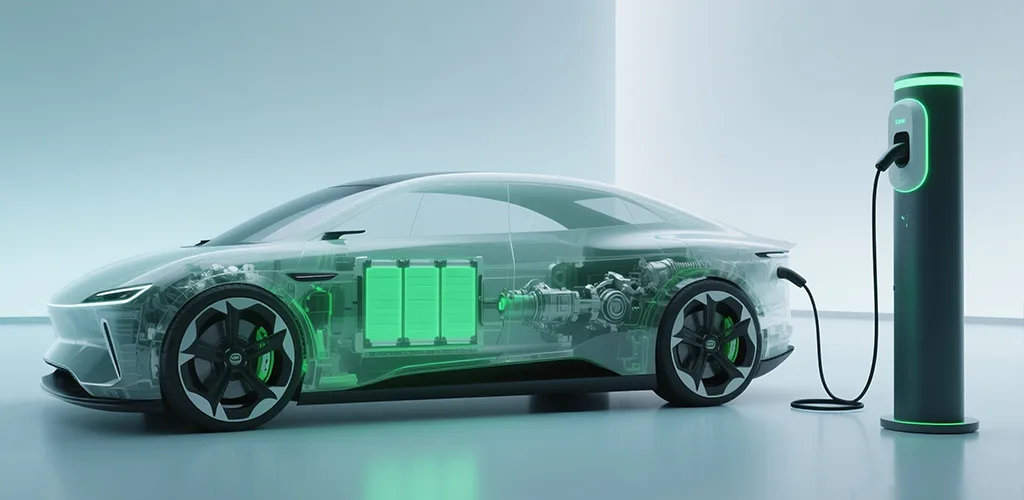
Buying a car in Nigeria has become a major investment decision, especially as more people and businesses look to import vehicles from China. Whether for private use, ride-hailing, or commercial transport, Chinese-made cars have gained a strong reputation for affordability and reliability. Yet, one big question remains: should you buy a brand new car or a used one?
This comprehensive guide compares both options—helping you choose the most cost-effective and sustainable path when you plan to import cars from China to Nigeria.
Why Nigerians Are Turning to Chinese Cars
China’s automotive industry has evolved dramatically over the past decade. Manufacturers such as Changan, BYD, Geely, and Great Wall Motors now produce vehicles that compete with global brands in both quality and technology. The top reasons Nigerians choose to import cars from China to Nigeria include:
• Lower purchase price compared to European or Japanese cars
• Wide variety of models—from compact sedans to SUVs and pickups
• Easy access to spare parts and local mechanics familiar with Chinese engines
• Better adaptability to Nigerian road conditions
Whether you buy new or used cars from China, these vehicles often deliver solid performance and value for money.

Brand New Cars from China: Pros and Cons
Advantages
1. Warranty and Reliability:
New cars usually come with manufacturer or exporter warranties that cover key components for 2–3 years. This reduces maintenance risk in the first few years of ownership.
2. Latest Technology:
Newer models feature improved engines, infotainment systems, and safety functions—like parking sensors, backup cameras, and airbags—designed to meet global standards.
3. Long-Term Savings:
While the upfront cost is higher, new cars require fewer repairs and have better fuel efficiency. For commercial users such as ride-hailing drivers, this means lower downtime.
Disadvantages
1. Higher Initial Cost:
New cars often cost 30–50% more than used ones, depending on brand and model. Import duties and freight also add to the total price.
2. Faster Depreciation:
New vehicles lose about 15–25% of their value once driven off the port or showroom. For resellers, this can reduce profit margins if the market slows.
3. Longer Lead Time:
Factory orders and shipping may take up to 45–60 days before the car arrives in Nigeria, compared to faster delivery for used stock.
Used Cars from China: Pros and Cons
Advantages
1. Affordable Price:
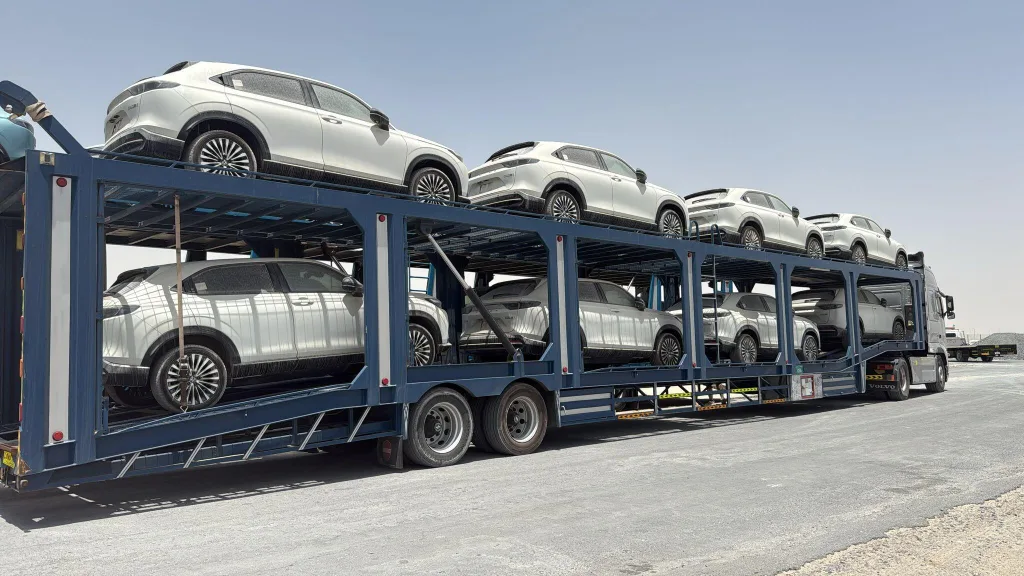
The biggest reason Nigerians prefer used cars from China is affordability. Depending on mileage and condition, buyers can save up to 40% compared to new cars.
2. Shorter Import Time:
Used vehicles are often in ready-to-ship stock, allowing delivery to Lagos or Port Harcourt in as little as 30 days.
3. Wider Model Selection:
Buyers can access discontinued or older models that are proven reliable and easier to maintain.
4. Lower Insurance and Tax:
Insurance premiums and registration fees are usually lower for secondhand cars.
Disadvantages
1. Higher Maintenance Costs:
Used cars may need early servicing or replacement parts. Without proper inspection, hidden engine or transmission issues could appear.
2. Limited Warranty:
Most used cars from China are sold “as-is,” with limited after-sales support.
3. Lower Resale Value:
Used vehicles generally depreciate faster after import, especially if they arrive with cosmetic or mechanical wear.
For small businesses or dealers, used cars from China may be more practical due to the faster turnover and lower capital requirement. However, for long-term personal use, new cars offer more reliability and peace of mind.
Tips for Making the Right Choice
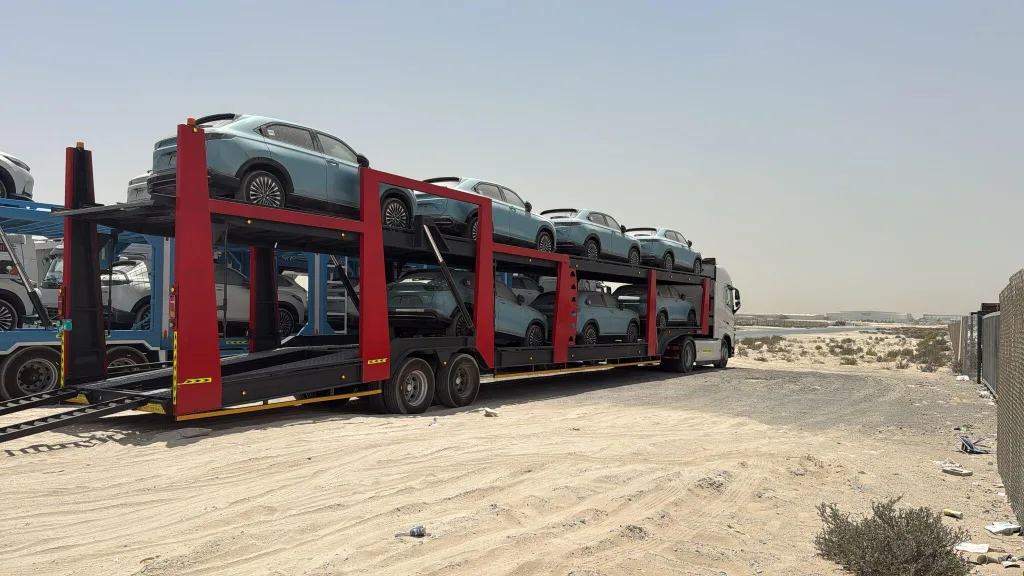
Inspect Before Buying: Use a certified exporter who provides vehicle inspection reports with photos and VIN verification.
- Check Spare Part Availability: Ensure your chosen model has replacement parts easily available in Nigeria.
- Consider Your Usage: Commercial drivers may prefer new, fuel-efficient cars for reliability, while personal buyers can save money with used imports.
- Work with Trusted Exporters: Reliable partners handle documentation, shipping, and customs clearance transparently.
- Budget for Extra Costs: Include shipping insurance, port handling, and inland delivery to your total calculation.
Future Trends in Nigerian Car Imports
With increasing fuel prices, Chinese hybrid and electric vehicles (EVs) are gaining interest in Nigeria. Brands like BYD and Chery are already offering EVs suited for African climates. Importers who establish early partnerships with reputable Chinese EV suppliers may gain a competitive edge in the next five years.
Conclusion
Both new and used cars from China can be excellent investments for Nigerian buyers. The key is to work with a trustworthy supplier, understand customs and shipping costs, and align your choice with your financial goals. Whether you go for a shiny new sedan or a well-tested used SUV, learning how to import cars from China to Nigeria efficiently will help you save money and expand your automotive business.