From 2025 to 2030 the China→Nigeria used car export market will shift fast. Expect bigger volumes, more Chinese brand presence, rising interest in electric vehicles (EVs), new export rules from China, and stronger buyer focus on after-sales and financing. This guide gives Nigerian importers and dealers practical, local-focused insight so you can plan inventory, pricing and logistics.
1) Bigger supply — but more varied quality
China’s auto factories have large excess capacity for gasoline cars and are increasingly exporting to emerging markets — meaning more used and near-new Chinese cars available for Nigeria.
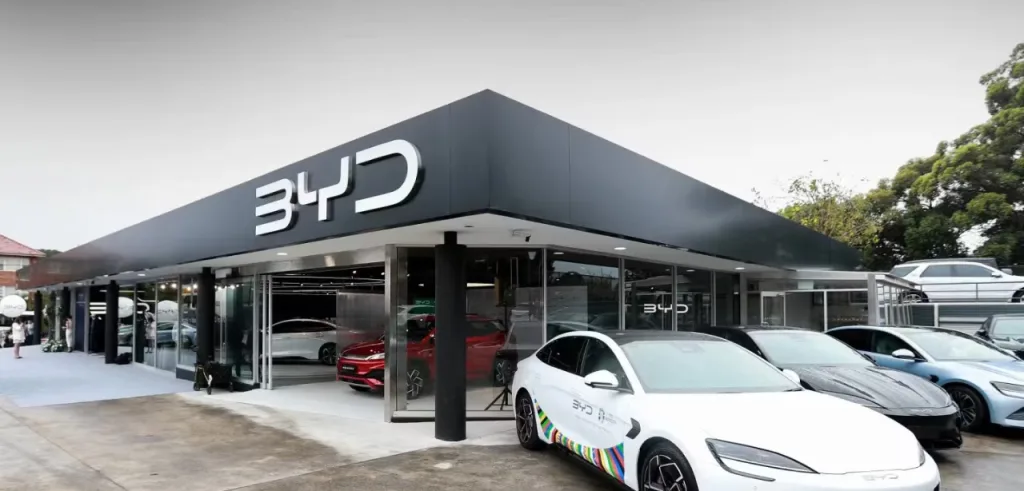
That brings opportunity (lower purchase prices) and risk (uneven quality). Expect a larger share of Chinese brands (Changan, Geely, BYD, Great Wall) in used-car shipments.
What Nigerian buyers should watch: ask for clear vehicle age, mileage, service history and ask sellers for inspection photos / video before shipment.
2) EVs will enter the used market — slowly at first, then faster
Chinese EV exports surged globally in early 2020s; Africa is the fastest-growing region for EV imports from China. By 2025–2026 more Chinese second-hand EVs will reach Nigerian ports.
Barriers in Nigeria: charging infrastructure, higher maintenance/parts cost for EVs, and consumer familiarity. Adoption in used segment will start in coastal cities (Lagos, Abuja corridors) and grow as charging and finance improve.
Importer tip: target fleet buyers (corporates, ride-hailing) and dealerships with charging solutions when selling used EVs.
3) Regulatory change — higher scrutiny and quality standards
China announced tighter oversight on used-car exports (to curb new cars being falsely exported as “used”), meaning exporters will face stricter documentation and potential quality checks from 2026 onward. This reduces fraud risk but raises compliance cost.
How this affects Nigerian importers: expect clearer export documents (registration age proof, maintenance records). Reputable exporters will market this as a trust signal.
4) Price & FX volatility will shape volumes
Nigeria’s import volumes respond strongly to foreign-exchange stability and local purchasing power. When FX stabilizes imports jump; when FX weakens, volumes fall. Importers must model scenarios for NGN volatility and include buffer for port/clearance fees.
Pricing action: use CIF vs FOB scenarios, lock in freight when possible, and present NGN and USD pricing to clients.
5) Ports, logistics and clearance — optimize for speed and cost
Lagos ports (Apapa, Tin Can) remain the primary entry for Nigeria. Importers should plan for inland transport, storage, and quicker clearing agents to avoid demurrage. Volumes may push congestion — prebook slots and use trusted clearing agents.
Quick checklist: freight quotes, estimated time of arrival (ETA), inland transport quotes, customs duty estimate (based on age, engine size), and clearing agent contacts.

6) Market demand — which models will sell best
Affordability will keep small SUVs, pickups and economy sedans in highest demand. Near-new imports (3–7 years) will attract middle-income buyers; very cheap older cars still sell but profit margins fluctuate. Chinese brand acceptance is growing but Toyota/Honda still hold strong resale value.
Sales tip: stock a mix — high-turn economy cars + a few near-new SUVs from Chinese brands with documented history.
7) Digital selling, fintech & warranties — competitive edge
Digital marketplaces and fintech vehicle loans are growing in Nigeria; offering installment plans, escrow payments and short warranties will help close more deals. Expect used-car e-commerce to be a major sales channel by 2030.
How to differentiate: offer inspection reports, short-term warranty, and partner with local finance providers for buy-now-pay-later (BNPL) or motor loans.
8) After-sales, spare parts and service networks matter more
As more Chinese models arrive, spare parts availability and trained mechanics will determine long-term resale value. Successful exporters will provide parts kits or link importers to local parts suppliers.
Recommendation: build relationships with spare-parts wholesalers and train a small in-house tech team to service popular Chinese models.
9) Risk map — what can go wrong (and how to reduce it)
Fraud / mislabelled cars — use exporters with verifiable records and independent pre-shipment inspections.
Customs delays / demurrage — preclear documents early and hire experienced clearing agents.
Rapid policy shifts — monitor both China and Nigerian trade rules (export documentation, import duty changes).
10) 2025–2030 roadmap for Nigerian importers (practical steps)
Short term (2025–2026): focus on reliable gasoline used cars and near-new Chinese SUVs; tighten inspections and require full export documents.
Medium term (2027–2028): add used EVs for urban fleets; partner with charging/finance providers.
Long term (2029–2030): scale digital sales, offer warranties and local service networks; consider local assembly or parts import partnerships.

Conclusion — what successful importers will do
Between 2025–2030 the China→Nigeria used car export business will become larger and more professional. Winners will be those who combine trusted suppliers, strict inspections, flexible pricing for FX, after-sales support, and digital payment/finance options. Start adapting now: require better export documents, build parts supply chains, and pilot EV offerings with corporate clients.