

Nigeria is one of the most active destinations for vehicle imports from China. Good pricing, a wide range of models, and reliable quality make China a preferred source for Nigerian car buyers and dealers. If you plan to export cars from China to Nigeria, it is important to understand the process, documentation, logistics, and full cost breakdown. This guide explains how to ship new and used cars smoothly while avoiding delays and unnecessary expenses.
Why Do Nigerians Choose Cars from China?
Chinese vehicles today offer a strong value-to-cost ratio. Over the last decade, Chinese automakers such as Chery, Geely, Changan, and Great Wall have rapidly improved product quality and technology.
Key reasons importers choose China:
• Affordable pricing compared to European and Japanese brands
• Good variety: sedans, SUVs, pickups, buses, and EVs
• Used cars available in large quantities with verified history
• Better adaptability to African road conditions
• Spare parts more accessible than before
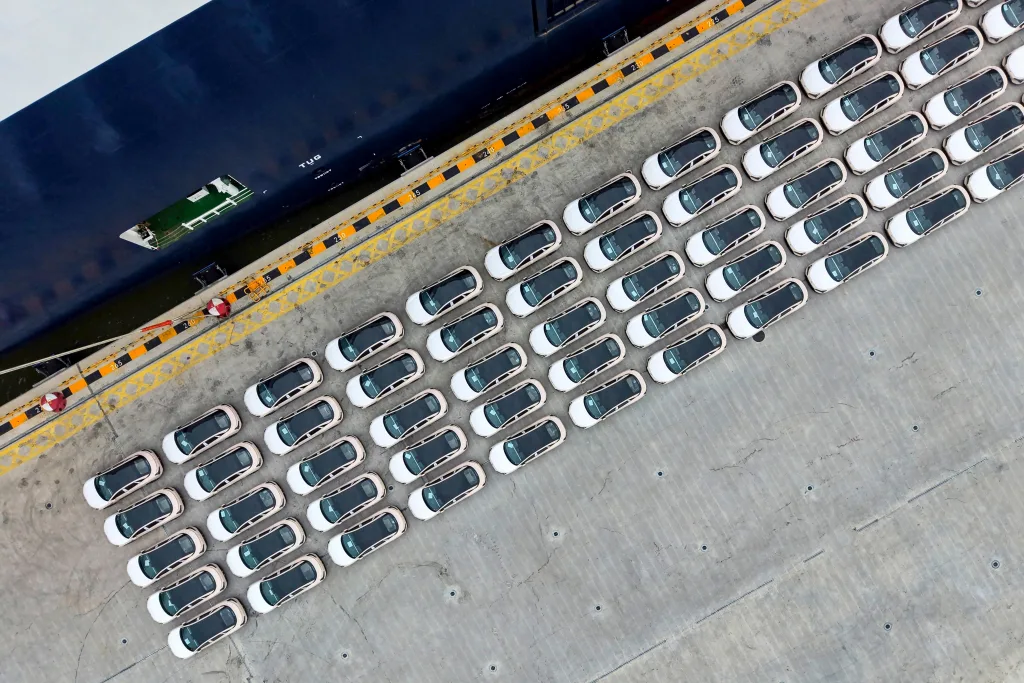
This strong competitiveness drives more businesses to export cars from China to Nigeria every year.
The Process to Export Cars from China to Nigeria
Select a Verified Supplier or Export Agent
Choose certified exporters with a physical yard where cars can be inspected. Top exporting locations include Guangzhou, Shanghai, Tianjin, and Qingdao. Request full documentation and VIN reports before payment.
Choose the Right Vehicles
Nigerian buyers often prefer:
• Fuel-efficient sedans for ride-hailing
• SUVs and pickups for rough terrain
• Minibuses and vans for commercial transport
Used cars with low mileage typically provide better selling margins.
Vehicle Inspection and Pre-Export Preparation
Before shipment, vehicles must pass inspection and include:
• Certificate of road-worthiness
• Vehicle invoice and engine/VIN details
• Export license paperwork
This prevents customs issues at Nigerian ports.
Select a Shipping Method
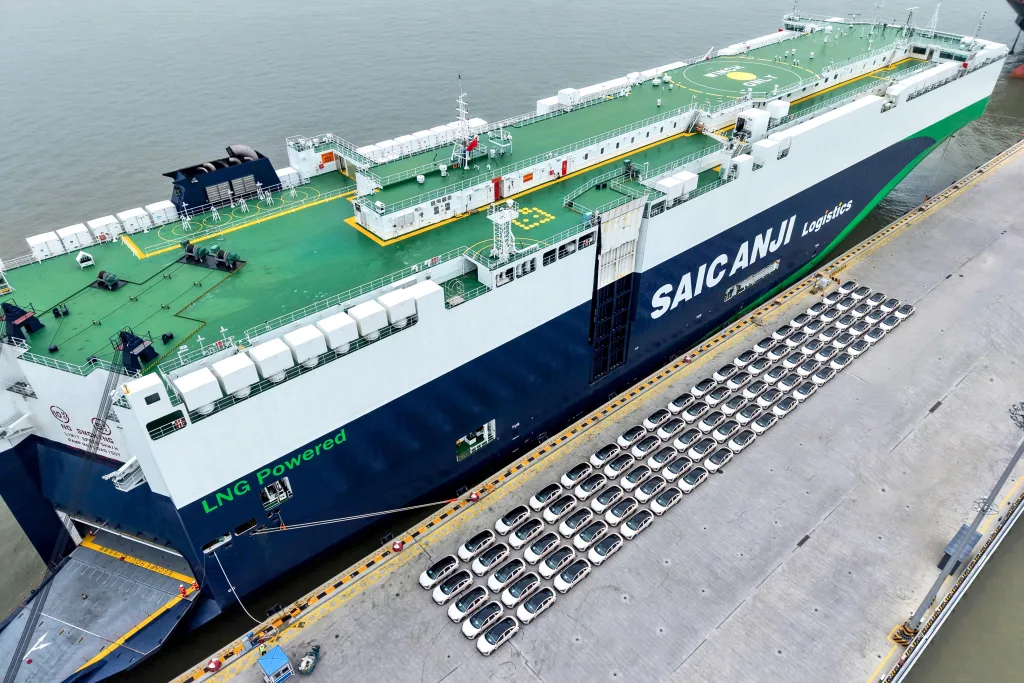
wo transportation options are commonly used to export cars from China to Nigeria:
| Method | Advantages | Best for |
|---|---|---|
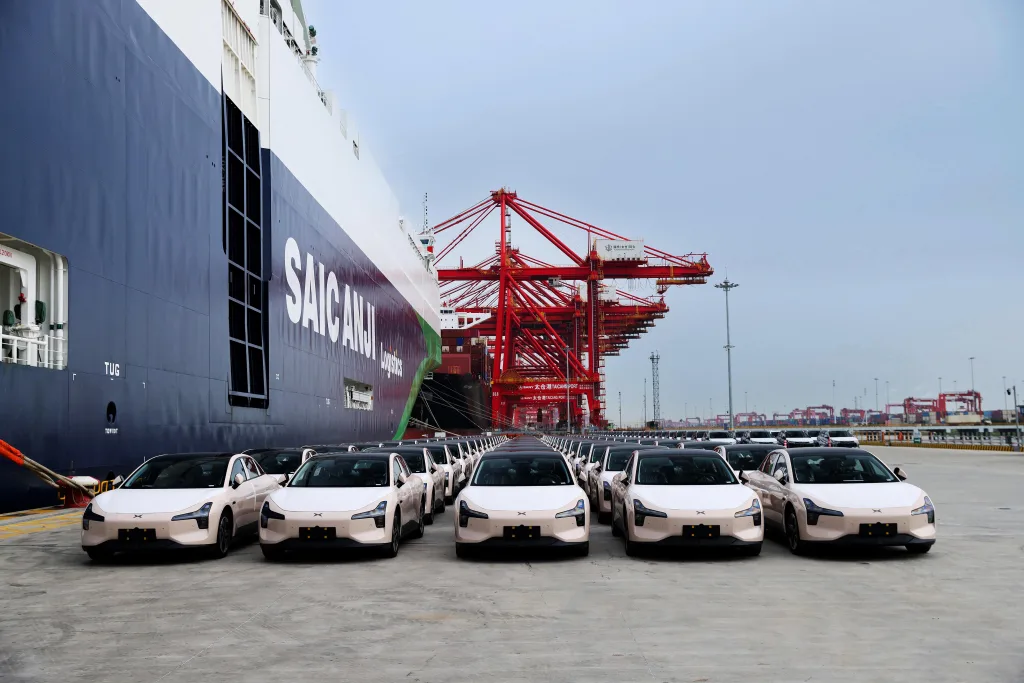
| Ro-Ro shipping | Lower cost | Bulk used cars |
| Container shipping | More security, protects high-value models | New cars, EVs, luxury cars |
Transit time is usually 30–45 days depending on the departure port.
Required Documentation for Customs Clearance
To ensure fast clearance at Apapa or Tin Can Island Port, prepare:
• Bill of Lading
• Commercial Invoice
• Packing List
• SONCAP Certificate
• Form M (before shipment)
Correct filing saves both time and money.
Arrival and Local Clearance
Once the cars arrive in Lagos, clearing agents handle customs duties, terminal handling charges, and inland delivery if needed.
Cost Breakdown: What Is the Total Landed Cost?
Aside from the vehicle price, Nigerian importers must calculate all logistics and customs expenses. The final landed cost generally includes:
| Cost Item | Notes |
|---|---|
| Purchase price in China | Varies by model and condition |
| Shipping charges | Ro-Ro costs less than container |
| Import duties and taxes | Around 35% for fully built units |
| Clearing and documentation fees | Based on port and vehicle value |
| Inland transport | Lagos → other cities |
Tips to Ensure a Safe and Profitable Import
• Work with long-term verified exporters
• Avoid cars with high mileage or unclear history
• Confirm shipping schedule early, especially during peak periods
• Choose models with strong demand in Nigeria markets
• Bulk purchases reduce per-unit shipping cost
A trustworthy partner helps monitor quality and reduce business risk.
Conclusion
Knowing how to export cars from China to Nigeria is the foundation for a successful auto business. Once you master the documentation, logistics, and cost structure, you can build a profitable operation that serves Nigeria’s strong and growing automotive market. China will continue to be a top export source for quality, affordable vehicles.






Quite concise and educative presentation that is useful to interested would-be importers.