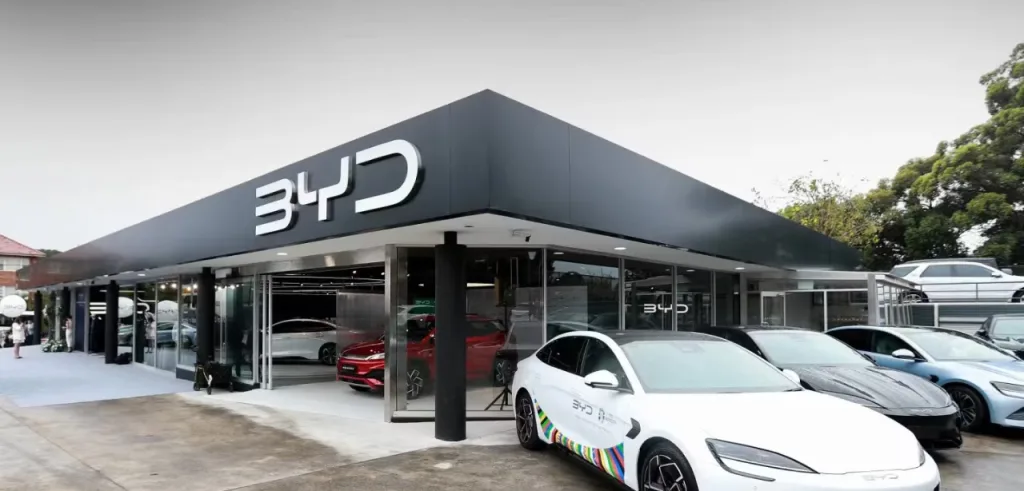
In recent years, the global automotive industry has witnessed a dramatic shift toward electric mobility, and one name that consistently makes headlines is BYD. Founded in China, BYD has grown into one of the world’s largest producers of electric vehicles and batteries. Today, the company is expanding its footprint into new regions, and the Middle East—particularly the United Arab Emirates—is quickly becoming a key market. The rise of BYD cars in UAE reflects both the country’s sustainability goals and consumer demand for advanced yet affordable vehicles.
Why the UAE Is a Strategic Market
The UAE is more than just a wealthy consumer market; it is the automotive hub of the Gulf. Dubai and Abu Dhabi serve as entry points for new car brands entering the wider GCC region. Several factors make the UAE particularly attractive for BYD:
Government support for EVs: With investments in charging stations and incentives for green mobility, the UAE is committed to becoming a leader in sustainable transport.
Young and tech-savvy population: Consumers are open to trying new brands that offer innovation and value.
Regional influence: Success in the UAE often opens doors to markets like Saudi Arabia, Oman, and Kuwait.
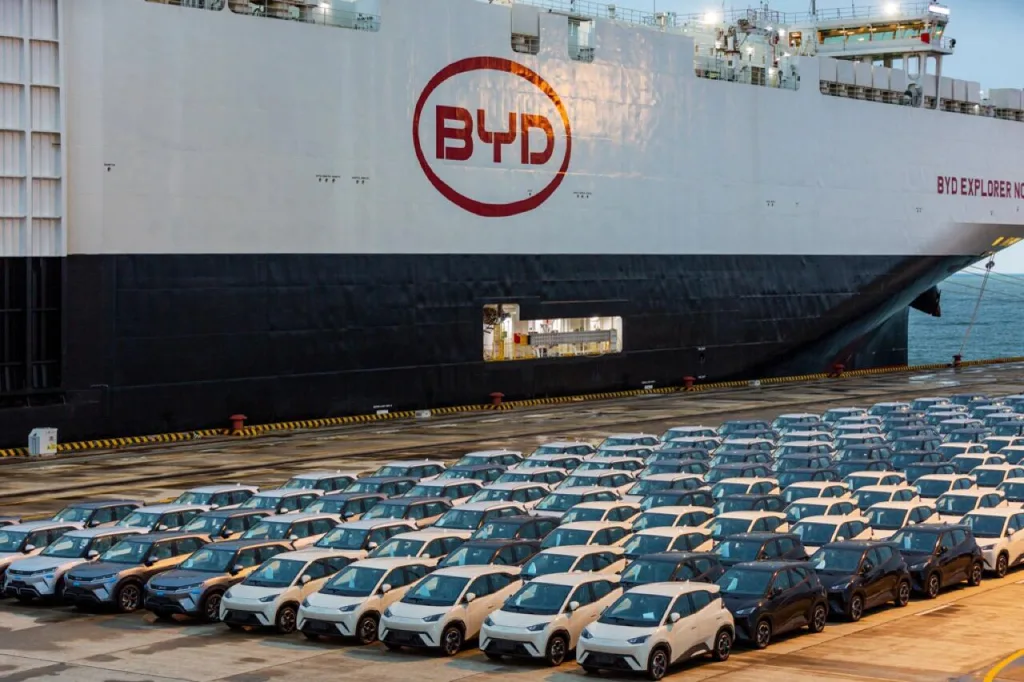
Strengths Driving BYD’s Success
BYD enters the Gulf market with several advantages that make it highly competitive:
EV Leadership
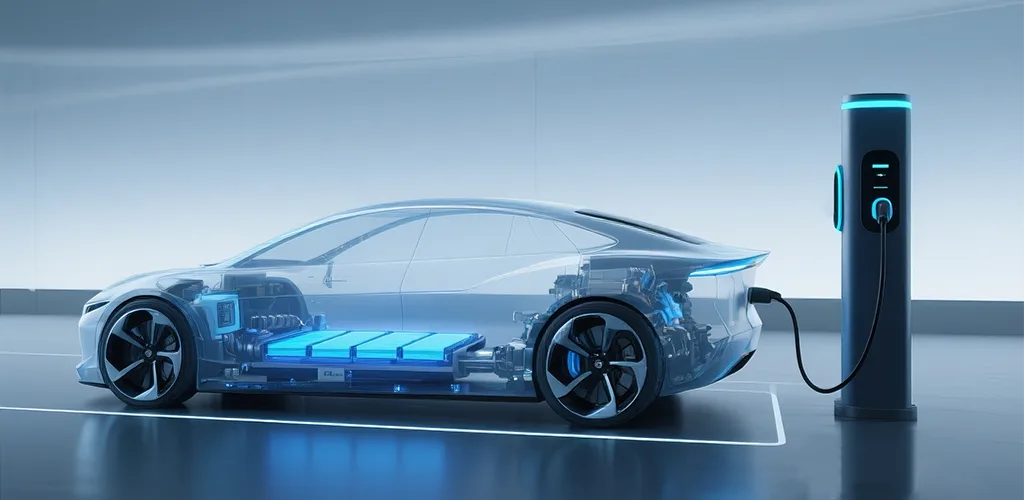
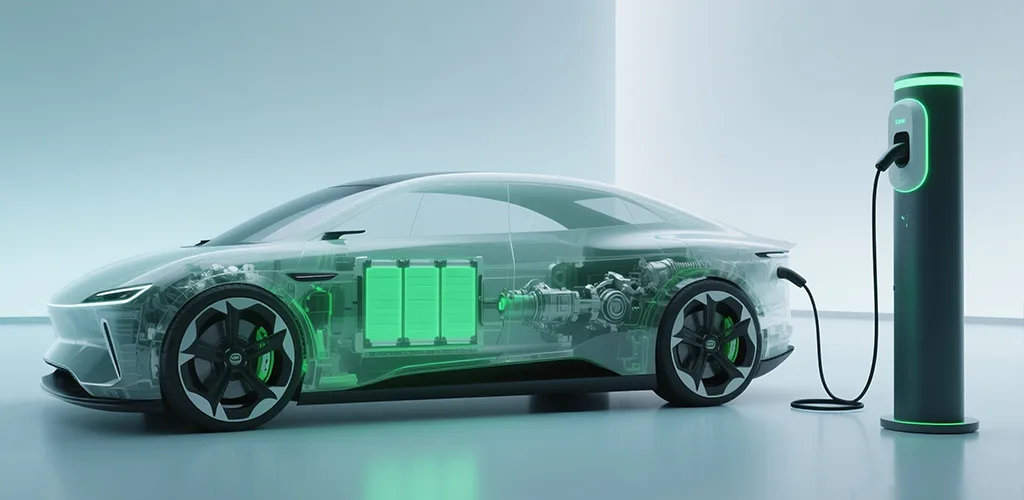
BYD is a global leader in electric and hybrid cars. Its Blade Battery technology is recognized for safety, durability, and efficiency—features that resonate in the hot climate of the Middle East.
Affordable Pricing
Compared to European EVs, BYD cars in UAE offer a much lower entry price while maintaining strong performance. This makes them appealing to middle-class buyers and fleet operators alike.
Technology and Features
From advanced infotainment systems to smart interiors and long-range capabilities, BYD vehicles meet the demands of today’s connected consumers.
Eco-Friendly Image
Aligning with the UAE’s Vision 2030 and green mobility agenda, BYD positions itself not just as a carmaker but as a sustainability partner.
Popular models like the BYD Atto 3 have already started gaining traction among young urban drivers, offering a blend of design, technology, and affordability.
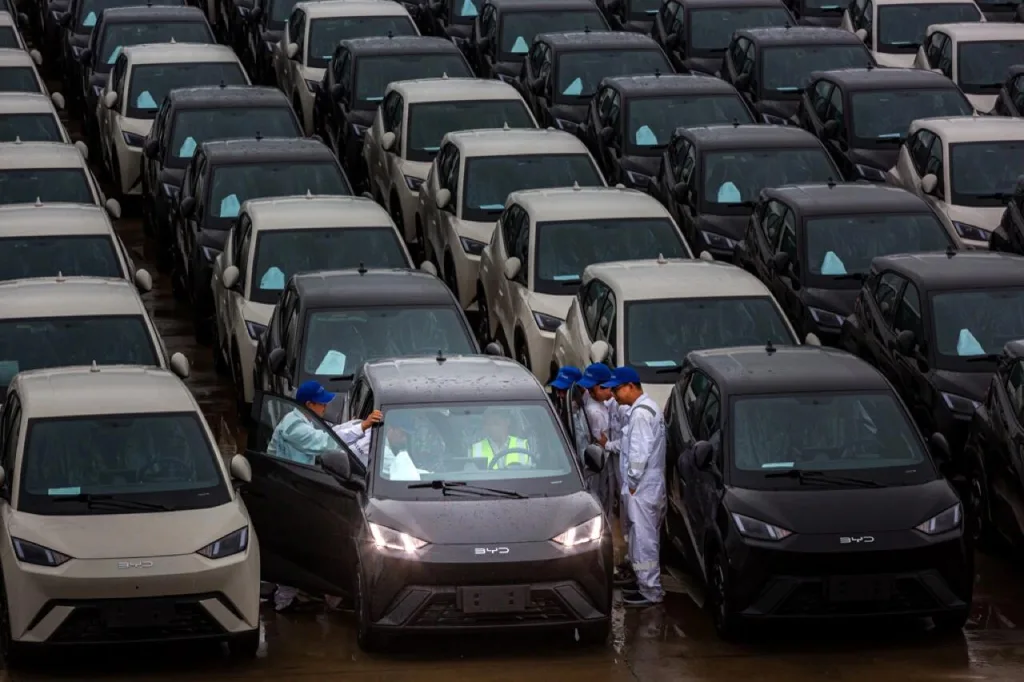
Challenges Facing BYD in the Middle East
Despite its global success, BYD faces obstacles in building long-term trust and loyalty in the Gulf:
Brand Recognition: Japanese and German automakers dominate consumer trust. BYD must invest in marketing and brand-building to change perceptions.
After-Sales Service: Limited service centers and spare parts availability may discourage potential buyers until the network expands.
Resale Value: Chinese brands in general still struggle with lower resale values compared to established rivals, which can influence purchase decisions.
Intense Competition: Other Chinese automakers like Changan, MG, and Geely are also entering the GCC market aggressively, adding competitive pressure.
Future Outlook: Opportunities Ahead
he road ahead for BYD in the Middle East looks promising, but execution will be key. Some growth opportunities include:
Fleet and Taxi Adoption: Ride-hailing companies, delivery services, and government fleets could drive bulk purchases of BYD’s affordable EVs.
Expansion Beyond UAE: Establishing a strong base in the Emirates could help BYD expand into Saudi Arabia, the region’s largest automotive market.
Sustainability Momentum: As the Gulf states push for carbon neutrality, demand for electric vehicles is expected to grow sharply, putting BYD in a favorable position.
If BYD continues to strengthen local partnerships and invests in service infrastructure, it has the potential to become one of the leading EV brands in the region.

Conclusion
The Middle East is at a turning point in automotive history, with electrification and sustainability taking center stage. BYD cars in UAE represent both the opportunity and the challenge of this transformation. Their competitive pricing, advanced technology, and eco-friendly positioning make them strong contenders in the Gulf’s evolving car market. However, to secure long-term success, BYD must overcome hurdles in brand recognition, after-sales service, and resale value.
As the UAE and neighboring countries accelerate their shift toward green mobility, BYD is well placed to not only ride the wave of change but also shape the future of driving in the Middle East.